
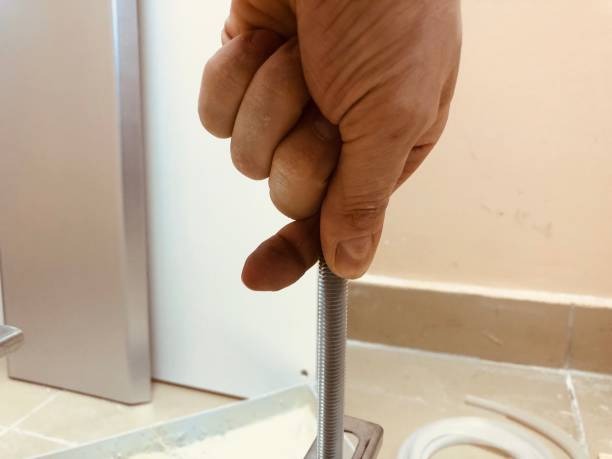
Top Causes of a Stretched Fastener Tries, Mistakes & Fixes
A stretched fastener can be a significant issue in various applications, from automotive to construction. Understanding the causes, common mistakes, and potential fixes is crucial for maintaining the integrity of any assembly.
One primary cause of a stretched fastener is over-tightening. When excessive torque is applied during installation, it can exceed the elastic limit of the material. This results in permanent deformation or stretching of the fastener. Over-tightening often occurs due to miscalibrated tools or lack of proper torque specifications. It’s essential to use calibrated torque wrenches and adhere strictly to manufacturer guidelines regarding torque values.
Another contributing factor is thermal expansion. In environments where temperatures fluctuate significantly, materials expand and contract. Fasteners subjected click to discover such conditions may stretch if they are not designed to accommodate these changes or if they are installed without considering thermal expansion coefficients.
Material fatigue also plays a role in causing fasteners to stretch over time. Repeated loading and unloading cycles can lead to microscopic changes in the metal’s structure, gradually causing elongation. This is particularly prevalent in dynamic applications where vibrations are frequent.
A common mistake that leads to stretched fasteners is using incorrect materials for specific applications. Different metals have varying tensile strengths and resistance properties; using a weaker material than required will inevitably result in failure under stress conditions.
1. **Proper Tool Usage**: Always ensure that tools used for fastening are correctly calibrated and appropriate for the task at hand. Torque wrenches should be regularly checked for accuracy.
2. **Correct Material Selection**: Choose fasteners made from materials suitable for their intended environment and load requirements—consider factors like tensile strength and corrosion resistance when selecting them.
3. **Regular Inspection**: Implement routine checks on assemblies prone to vibration or temperature fluctuations; look out for signs of wear or deformation early on before complete failure occurs.
4. **Education & Training**: Ensure that personnel involved in assembly processes understand best practices related to fastening techniques—including awareness about common pitfalls leading up toward stretched bolts/nuts scenarios—and provide ongoing training opportunities as necessary updates arise within industry standards/guidelines over time accordingly too!
By understanding these causes along with avoiding typical mistakes while implementing suggested fixes proactively into daily operations/workflows alike—you’ll help prevent future occurrences involving problematic/stretched-out bolt situations altogether thus ensuring optimal performance reliability across all projects consistently moving forward!