
Comprehensive Flood Damage Cleanup and Restoration Services
Flood damage can wreak havoc on homes and businesses, leaving behind a trail of destruction that requires immediate attention and comprehensive cleanup and restoration services. When floodwaters recede, they often leave behind not only visible damage but also hidden dangers such as mold growth, structural instability, and compromised electrical systems. Addressing these issues promptly is crucial to restoring safety and normalcy.
The first step in flood damage cleanup involves a thorough assessment of the affected area. Professionals equipped with specialized tools evaluate the extent of water infiltration and identify areas requiring urgent attention. This assessment guides the development of a tailored action plan go to our site efficiently tackle the specific challenges posed by each situation.
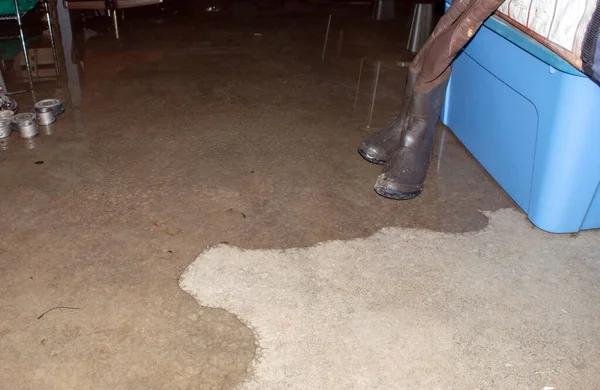
Water extraction is a critical component in mitigating further damage. High-powered pumps and vacuums are employed to remove standing water swiftly. The longer water remains stagnant, the greater the risk of structural deterioration and mold proliferation. Therefore, speed is essential in this phase to prevent secondary issues that could complicate restoration efforts.
Once excess water has been removed, drying and dehumidification processes are implemented. Industrial-grade air movers and dehumidifiers work tirelessly to eliminate moisture from walls, floors, carpets, and furniture. This step is vital for preventing mold growth—a common aftermath of flooding that poses significant health risks if left unaddressed.
Cleaning follows closely on the heels of drying efforts. Floodwaters often carry contaminants such as bacteria, sewage, chemicals, or debris that can compromise indoor environments. Comprehensive cleaning involves sanitizing surfaces using antimicrobial treatments designed to neutralize harmful pathogens effectively.
Restoration specialists then turn their focus toward repairing or replacing damaged structures within the property—be it drywall replacement due to saturation or floorboard repairs caused by warping effects from prolonged exposure to moisture levels beyond safe thresholds.