
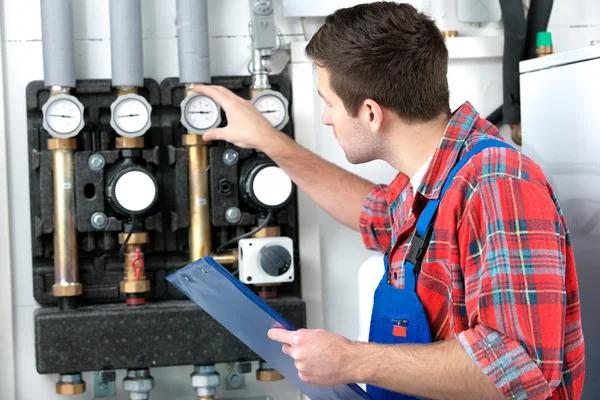
Advanced Plumbing Services Using Modern Techniques
Modern plumbing has evolved significantly, incorporating advanced techniques that improve efficiency, accuracy, and reliability. These innovations benefit both residential and commercial properties by addressing common plumbing issues with greater precision and less disruption. One of the most notable advancements is the use of video camera inspections. This technology allows plumbers to visually assess pipes from the inside without invasive digging or demolition. By inserting a small camera into the plumbing system, professionals can identify blockages, leaks, corrosion, or structural damage quickly and accurately. This method saves time and reduces repair costs by targeting specific problem areas rather than guessing blindly.
Another cutting-edge technique gaining popularity is trenchless pipe repair. Traditional pipe replacement often requires extensive excavation that disrupts landscaping or flooring. Trenchless methods minimize this impact by repairing or replacing pipes through small access points using specialized tools and materials. One common approach is pipe lining, where a resin-coated liner is inserted into the damaged pipe and then cured to form a new pipe within the old one. This process restores functionality while avoiding major construction work, making it ideal for urban settings or homes with limited access.
Leak detection technologies have also seen significant improvements thanks to modern equipment such as electronic browse website sensors and thermal imaging cameras. These tools detect moisture levels or temperature changes associated with hidden leaks behind walls or under floors without destructive probing. Early leak detection helps prevent water damage, mold growth, and costly repairs by enabling prompt action before problems worsen.
Water conservation plays an important role in contemporary plumbing services as well. Advanced systems now include smart water meters that monitor usage in real-time and alert homeowners to irregular consumption patterns indicative of leaks or inefficiencies. Additionally, low-flow fixtures combined with pressure regulation devices optimize water use while maintaining performance standards.
In terms of installation processes, 3D modeling software assists plumbers in designing complex piping layouts before starting physical work on-site. This planning tool enhances accuracy during installation projects for new constructions or renovations by allowing precise measurements and visualization of potential challenges ahead of time.
Overall, advanced plumbing services utilizing these modern techniques provide faster diagnostics, less invasive repairs, improved sustainability measures, and better overall outcomes for clients seeking reliable solutions to their plumbing needs today. Embracing innovation within this field continues to elevate service quality while reducing inconvenience associated with traditional methods long relied upon in past decades.